


FedEx Mobile
FedEx
I use shipping apps when I need a practical answer quickly: where a parcel is, whether a delivery needs attention, or how to arrange the next step without opening a desktop browser. FedEx Mobile is built for that kind of moment. It is a free business app from FedEx, available for Everyone, and its broad adoption gives it the feel of an established companion rather than an experimental download. The current version is 9.27.1, and it requires iOS or Android 11 or later.
My overall impression is straightforward: this is most useful when you already deal with FedEx shipments and want shipment information close at hand. It is less compelling as a general parcel-management tool if your deliveries are spread across several carriers. The app’s value depends on how often FedEx appears in your personal or work routine, and on whether you are comfortable using an official carrier app instead of relying on email updates, text messages, or a browser.
How I judge trust in a shipping app
Trust matters more here than it does in a casual utility. A shipping application may sit beside order details, delivery addresses, tracking references, and account information. I therefore look beyond the attractive promise of convenience. I want to know whether the app gives me visible choices, whether I can tell what action I am taking, and whether I can keep control of the account rather than being pushed into an unclear workflow.
FedEx Mobile benefits from being developed by FedEx itself. That does not automatically make every experience perfect, but it gives the app a clear relationship with the carrier whose shipments it helps manage. The publisher identity is easy to understand, which is preferable to using an unofficial tracker that may sit between you and the original delivery company.
The app has been available since November 22, 2011, and its store presence shows a 4.0 average from around 289 thousand ratings, with roughly 33 thousand written reviews. More than 10 million installations indicate that it is not a niche experiment. I treat those numbers as useful context, not as proof that every update will suit every phone or that every user will have the same experience.
Related News

Why WhatsApp Messenger Still Makes Everyday Communication Feel Easy

Jurassic World: The Game Is the Better Dino Tycoon for Strategic Players

Threads in Real Life: Who Should Join, Lurk, or Leave

How SHEIN Turned Shopping Into an Endless Content Feed

How to Make Fortnite Feel Smarter on Mobile

Should You Switch to Microsoft Outlook on Mobile?
The store summary, “On the go? Take FedEx with you,” describes the central idea without telling me much about day-to-day friction. In practice, the important question is not whether a carrier app can show shipment information. It is whether I can get to the information I need without confusion, and whether the app makes sensitive actions feel deliberate rather than accidental.
The right role for FedEx Mobile
I see this as a focused business and delivery-management app, not a replacement for a full online shopping account and not a universal inbox for every parcel. If I am expecting one FedEx package, the app can be a convenient place to check its progress. If I am coordinating shipments for work, the mobile format can help me check details while away from a desk, although I would still prefer a larger screen for complicated administration.
That distinction is important. A carrier’s own app usually has a better chance of presenting shipment information in the carrier’s terminology and workflow than a third-party tracker. On the other hand, a multi-carrier app may be more convenient for someone who receives parcels from several companies every week. I would choose FedEx Mobile for direct FedEx visibility, not because it eliminates the need for every other delivery tool.
Gallery
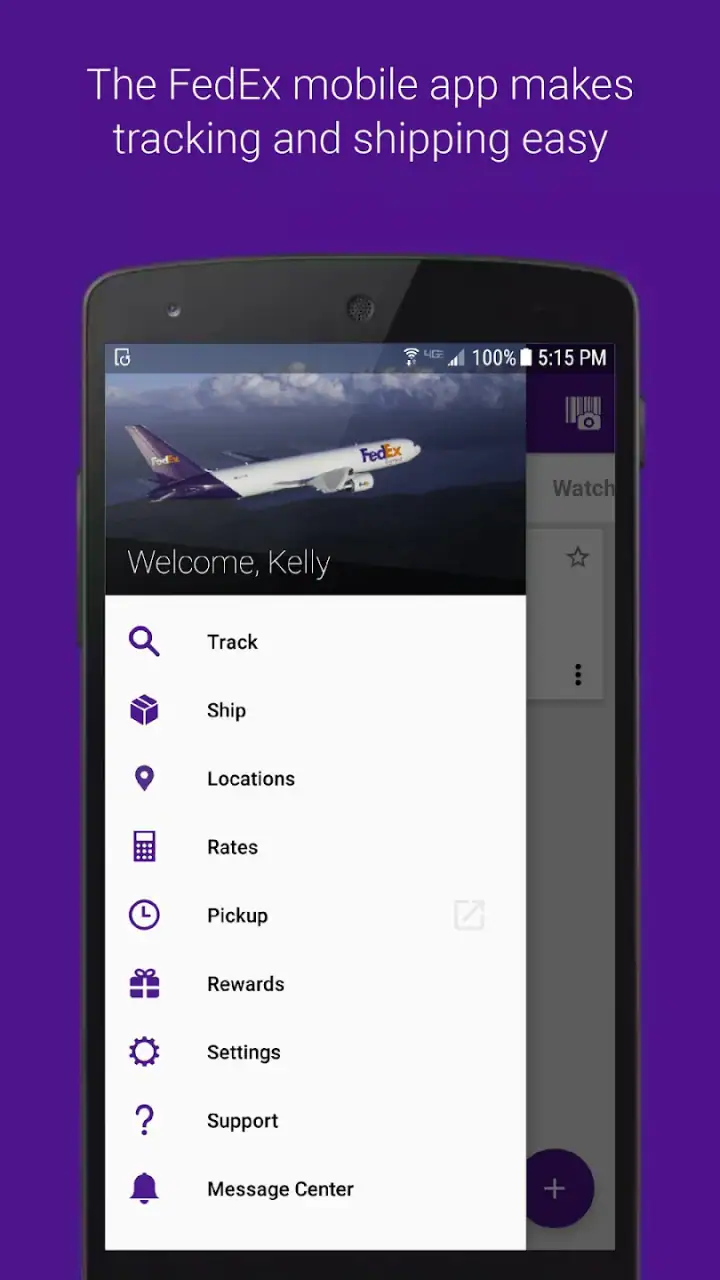
What I check before signing in
Before using any shipping app, I consider whether I need an account for the task in front of me. A quick tracking check and a more involved delivery-management action are not the same thing. I prefer to begin with the least sensitive route available, then sign in only when a particular feature genuinely requires it. This keeps the decision clear and avoids treating account creation as an automatic first step.
With FedEx Mobile, I would also make sure the app is installed from the official store listing and that the developer name is FedEx. That simple check matters because shipment references and delivery details are exactly the sort of information that should not be entered into a lookalike application. The free price removes one barrier to trying it, but it does not remove the need to review what I am accepting during setup.
The minimum operating-system requirement of 11 is another practical consideration. On a current phone, that should not be a major obstacle, but it can matter on an older device used for occasional tracking. I would check compatibility before planning to depend on the app for a time-sensitive delivery, especially if the phone is no longer receiving regular system updates.
Controls, choices, and sensitive delivery moments
Keep account actions intentional
My preferred workflow is to separate observation from action. First I check the shipment status and confirm that the reference belongs to the parcel I expect. Only after that would I consider an account-based change or delivery instruction. This two-step habit sounds minor, but it reduces the chance of acting on the wrong package when several orders arrive close together.
I also avoid saving information simply because a form offers to remember it. If I am using a shared phone, a borrowed device, or a work handset that other people can access, I want to be especially careful with any persistent sign-in. The convenience of opening the app faster is not always worth leaving shipment-related access available to the next person.
When an app presents a choice involving delivery timing, location, or recipient instructions, I read the wording rather than tapping the most prominent button. Delivery changes can have real consequences: a package may go to a different place, a recipient may miss it, or a business process may be interrupted. I consider clear confirmation before a delivery change one of the most important trust signals in this category.
Notifications should serve a purpose
Notifications can be useful when I am waiting for a parcel, but I do not want every status movement to compete with messages and calls. My practical approach is to enable alerts when a delivery is active and likely to need my attention, then review them later if they become noisy. A notification is helpful when it tells me what changed; it is less helpful when it merely creates urgency without a clear next action.
I would review notification permissions during setup and again after the first delivery cycle. If I decide that alerts are not useful, I prefer turning them off at the operating-system level rather than leaving an unwanted channel active. This is a simple example of user agency: I should be able to use the app for occasional checks without feeling that constant prompts are the price of entry.
There is also a privacy angle to lock-screen alerts. A visible delivery message can reveal that I am expecting something, and sometimes the sender or shipment context may be obvious from the wording. On a shared or public-facing phone, I would limit preview details. That is not a criticism specific to FedEx Mobile; it is a sensible precaution for any app that reports personal deliveries.
Addresses and delivery instructions deserve extra care
Shipping information becomes more sensitive when it includes a home, office, or alternate delivery location. I would check every address character by character before confirming an action, especially after moving, changing offices, or using the app for another household member. An address that looks familiar in a list may still contain an old unit number or an outdated workplace.
For a realistic everyday example, imagine that I am at work and receive a notice that a FedEx parcel is approaching. I open the app, verify the shipment reference, check the destination details, and decide whether I need to take action. If I am offered a delivery choice, I pause before confirming it, then close the app after checking that the result matches what I intended. The useful part is not merely seeing the parcel move; it is having a controlled sequence that prevents a rushed tap from creating a bigger problem.
I would use the same caution when helping a family member. I would not assume that being able to see a shipment means I should change its delivery arrangements. The recipient, sender, or account holder may have different expectations, so I would confirm permission before making an adjustment. A good mobile workflow should support convenience without encouraging casual handling of someone else’s delivery information.
Data-sensitive moments are often outside the tracking screen
Tracking a parcel is usually the least complicated part of the experience. The more sensitive moments arrive when the app asks for account credentials, contact details, addresses, or information connected with a delivery decision. I pay attention at those points because they determine how much personal context I am placing into the app and how much access I am granting to the account.
I do not treat a familiar brand as a reason to skip the privacy screen or permission prompt. I read the available choices, decline anything that is not needed for my intended use, and revisit those choices if my use changes. If I only need occasional tracking, I do not want to configure the app as though I were managing a large shipping operation every day.
Another useful habit is keeping shipment references out of screenshots and public messages. A screenshot may seem harmless, but it can expose delivery information to people who do not need it. If I must share a status update, I crop or obscure identifying details first. The app cannot make that decision for me; responsible use still depends on what I do with the information after it appears on screen.
Where the app may not be the best choice
I would skip FedEx Mobile if my main need is a single unified view of parcels from many carriers. A multi-carrier service may reduce the need to switch between separate apps, even if it offers less direct integration with any one delivery company. I would also avoid making the app my only plan for a critical shipment. A browser, email record, or another official contact route can be a useful backup when the phone is unavailable or the app needs updating.
People who rarely receive FedEx deliveries may find the installation and account decisions unnecessary for a one-time check. In that situation, a direct browser visit may be simpler. Conversely, small businesses, frequent online shoppers, and people who regularly need FedEx shipment visibility have a stronger reason to keep a dedicated app available.
The mobile format itself has limits. A phone is excellent for a quick status check while travelling, but less comfortable when I need to compare multiple shipments, review a long history, or coordinate a complicated work process. I would use the app for immediate awareness and simple actions, then move to a larger-screen workflow when the task becomes administrative or involves several people.
Small habits that make the experience safer
- Verify the shipment before acting: match the reference and destination with the parcel you expect, particularly when several deliveries are active.
- Separate alerts from access: allow notifications only when they help, and do not confuse a notification permission with permission to keep an account permanently signed in.
- Review stored details after life changes: old addresses and outdated contact information are easy to overlook when a delivery is urgent.
- Use a deliberate closing routine: after a sensitive action, confirm the result, remove visible screenshots, and lock the phone if other people can reach it.
These habits are more valuable than simply installing the app and accepting every prompt. They also make it easier to decide whether the app is still earning its place on my phone. If the only useful moment is an occasional status check, I can keep my setup minimal. If I depend on it for regular deliveries, I can configure it around those needs without surrendering more control than necessary.
My final view of the mobile experience
FedEx Mobile makes sense to me as an official, focused companion for FedEx shipments. Its free price, Everyone age rating, and large user base make it approachable, while the long-running availability and current version suggest that it is intended to remain a maintained part of the carrier’s mobile presence. I would recommend it to a friend who regularly receives FedEx packages and wants a direct way to stay informed away from a computer.
My recommendation comes with boundaries. I would not choose it as a universal delivery dashboard, and I would not hand over account or address information without reading each screen and checking the available controls. The app is strongest when I use it for a defined purpose: identify the right shipment, inspect its status, decide whether action is necessary, and confirm the outcome.
The 4.0 average from around 289 thousand ratings is consistent with my cautious assessment: useful enough to be a regular tool, but not a reason to ignore individual friction or different user needs. A carrier app can save time, yet the most important improvements often come from careful habits rather than extra taps or constant alerts.
My verdict: I would install FedEx Mobile if FedEx is a regular part of my personal or work deliveries, especially when I value direct shipment visibility and mobile access. I would choose a browser or multi-carrier alternative when my needs are occasional, carrier-agnostic, or too complex for a phone screen. Used with restrained permissions, deliberate account choices, and a pause before delivery changes, it is a sensible business app rather than an essential tool for everyone.
FAQs for FedEx Mobile
What features does the FedEx Mobile app offer?
The FedEx Mobile app provides a range of features including package tracking, rate and transit time estimation, and the ability to create shipping labels. Users can also access drop-off locations and receive push notifications for real-time shipment updates. The app aims to streamline the shipping process for both personal and business needs.
Is the FedEx Mobile app free to download and use?
Yes, the FedEx Mobile app is free to download on both Android and iOS devices. While the app itself is free, charges may apply for specific shipping services and features, depending on the type of shipment or service selected by the user.
How secure is the FedEx Mobile app?
The FedEx Mobile app is designed with security in mind, implementing encryption and secure login options to protect user information. Users are encouraged to ensure their devices are secured with passcodes and to regularly update the app to the latest version for optimal security.
Can I manage multiple shipments with the FedEx Mobile app?
Yes, the FedEx Mobile app allows users to manage multiple shipments efficiently. You can track different packages simultaneously, view shipment history, and even customize notifications for each package to stay updated on their status and delivery times.
What should I do if I encounter issues with the FedEx Mobile app?
If you experience any issues with the FedEx Mobile app, it's recommended to first check for updates and ensure your device's operating system is up-to-date. If problems persist, you can contact FedEx customer support directly through the app for assistance, or visit their website for troubleshooting guidance.
Pros
- Real-time tracking updates for shipments.
- Easy access to shipping rates and delivery times.
- Convenient mobile label creation.
- Push notifications for delivery status.
- Secure login with fingerprint authentication.
Cons
- Limited functionality without an account login.
- Occasional app crashes and bugs.
- Some features require internet access.
- Limited support for international shipping.
- Interface can be confusing for new users.


